Charleston weather loves a surprise. A sunny morning can turn into a sideways afternoon squall that finds every weak seal on your car. If you’ve ever stepped into a damp floorboard after a storm or heard wind whistle around the windshield at highway speed, you already know how maddening a glass leak can be. Water and air don’t need much of an opening to get in, and once they do, small problems turn into foggy windows, mold smells, corroded connectors, and shorted electronics. The good news is you can usually track leaks with simple methods, fix many of them without drama, and know when to call a pro for windshield repair Charleston SC drivers can trust.
What follows draws on years of crawling across dashboards, re-sealing quarter windows in midsummer heat, and troubleshooting “mystery” leaks that weren’t the glass at all. The aim is practical: locate, seal, and prevent. Along the way we’ll touch the full picture, from mobile auto glass Charleston SC options to ADAS calibration and insurance considerations, so you can decide the right move for your vehicle and budget.
Why glass leaks show up so often around the Lowcountry
Glass leaks aren’t just bad luck. They’re a mix of heat, UV, and physics, accelerated by our climate. Sealants and factory gaskets are rubber-based, and rubber hates extremes. August sun cooks the edges of your windshield until they chalk and dry, then an afternoon downpour cools everything fast. That cycle repeats for years. The butyl or urethane beneath a windshield or side glass shrinks microns at a time. Add in minor body flex from potholes on Meeting Street, a couple of door slams, and a windshield replacement that used the wrong primer or not enough curing time, and you have a leak that may wait until the perfect storm.
Charleston also sits at sea level, which means humidity, and humidity means condensation. If a seal is compromised, warm, wet air can get pulled into the cabin and condense on cooler surfaces. Owners sometimes misread that condensation as a heater core leak or AC drain issue. Sometimes they’re right, sometimes not. Diagnosis matters.
Common leak paths around windshield and windows
Most leaks have repeatable patterns. If you know where to look, you save yourself hours and a soaked carpet.
- Top corners of the windshield: Wind pressure finds the slightest lift in the urethane bond, especially near the roof seam. If a previous windshield repair or replacement didn’t use a high-modulus urethane or skipped proper pinch-weld prep, leaks often start here. A-pillar trim and clips: The decorative trim that hides the windshield edge can channel water. Broken clips or missing foam blocks let water creep under the trim, then inside. Cowl and cabin air intake: Leaves stack below the windshield. The drain plugs clog, water backs up, then enters through the fresh air intake or a poorly sealed cabin filter cover. That produces wet passenger floorboards, not because the glass failed, but because the cowl flooded. Sunroof drains: Four small hoses route water from the sunroof tray down the pillars. A front drain knocked loose inside the A-pillar can mimic a windshield leak perfectly. The headliner gets damp, then the A-pillar, then the floor. Rear quarter and back glass: The radius corners of rear glass are notorious. Heat shrinks the gasket and creates a hairline gap. Hatchbacks also suffer from liftgate glass and wiper grommets that age out. Side window repair areas: Fixed side glass and rear vent windows use encapsulated seals. After a side window repair Charleston SC shops might advise replacing brittle clips and seals. Skip that, and you can earn a whistling leak as the door flexes.
Quick checks to confirm you have a glass leak
Before you reach for a tube of sealant, you want evidence. Water is persuasive, but it’s also sneaky. A few simple tests separate true glass leaks from the usual culprits like door membrane tears or HVAC drains.
Start with a dry car. Choose a morning with low humidity if you can, and let the car sit in the sun with windows cracked for an hour or two. Lift your floor mats and check the padding underneath. Press a paper towel to the carpet and hold for a slow count of five. If the towel pulls dampness from the padding, you likely have ongoing water ingress.
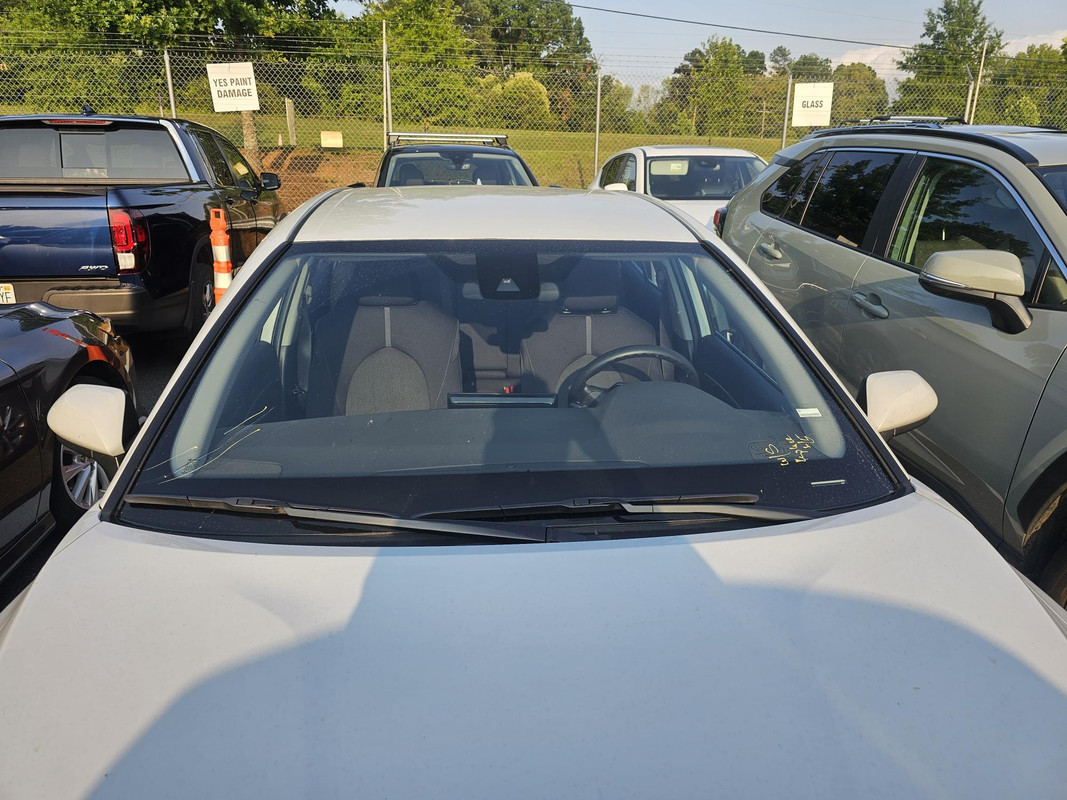
Next, inspect the windshield perimeter, top edge first. Bring a bright flashlight and a magnifying glass if your eyes need it. Look for any gap where the glass meets the body or rubber trim. Push gently on the outer trim. If it lifts easily or you hear crunching, the clips or foam buffer behind it may have failed. At the lower corners, peek into the cowl’s drain channels. If you see standing water, leaves, or silt, clear it out.
A simple trick: blue painter’s tape around the glass perimeter, leaving a small channel on one quadrant at a time. Hose the roof lightly and let water drain across only that quadrant. If water appears inside, you’ve narrowed the leak path. Move the gap clockwise and repeat until you find the suspect area. This method beats blasting water directly at seals, which can force water in even on good installs.
For wind noise that suggests an air leak, a hand-pump vacuum gauge with a cone tip can be used around the seal to detect pressure changes. If that sounds like overkill, a strip of thin tissue held near the interior edge while a helper uses a leaf blower on low at the exterior edge works surprisingly well. The tissue will flutter where air sneaks in.
The difference between a seal failure and an installation defect
Aging seal versus install error matters for two reasons: repair strategy and insurance. If your original factory glass lasted eight to twelve years, what you’re seeing is typical aging. That usually points to localized reseal work or a planned auto glass replacement Charleston SC shops can complete with an OEM-spec urethane and proper prep.
If the windshield was replaced within the last year or two and now leaks at the top corners or squeaks over bumps, installation jumps to the top of the suspect list. Using an expired primer, contaminated pinch-weld, insufficient urethane bead height, or moving the vehicle before full cure are the usual sins. Reputable windshield repair Charleston SC providers will warranty leaks from an installation defect and fix them at no cost. That fix might be a reseal if the bond is intact but the edge is insufficient. If the bond failed or there is rust beneath, they should reset the glass or recommend a full replacement.
Do you need a pro, or can you fix it yourself?
A careful DIYer can solve many minor leaks. The risk comes when a quick fix traps water behind the glass, leading to rust and a bigger bill later. Use judgment.
If the leak is a weeper along a top corner, you can often use a non-hardening flowable silicone designed for automotive glass to bridge the gap between the trim and glass. These sealants wick into hairline gaps. Mask well with painter’s tape, clean the area with isopropyl alcohol, and work slowly. If the leak is at the glass-to-body bond or you see any signs of corrosion, skip the tube and call a professional. Once rust starts on the pinch-weld, the right answer is to remove the glass, treat the metal, and set new glass with high-modulus urethane. That’s not a driveway job.
Door leaks commonly come from a torn vapor barrier behind the trim panel. Water is supposed to enter the door, run along the plastic sheet, and exit via the bottom drain holes. If a stereo installer or previous repair tore the barrier or left it loose, water spills into the cabin. Resealing with proper butyl tape restores the pathway. Plenty of “windshield leaks” have been solved by reattaching a barrier and clearing door drains.
Sunroof drain issues are also DIY friendly if you’re patient. Use a very soft, flexible line, not steel wire, to clear the drains. Compressed air can blow the hose off its fitting behind the pillar, making the problem worse. A turkey baster and water often works more safely than air.
How a professional shop checks for and fixes leaks
A good auto glass Charleston SC technician won’t jump straight to caulk. They’ll start with inspection, then controlled water testing, then smoke testing if needed. The inspection includes trim removal where appropriate. They look for improper bead height, missing dam tape, old urethane left proud of the pinch-weld, and, critically, rust. They’ll also verify cowl drains, cabin intake seals, and sunroof hoses to avoid chasing the wrong problem.
If the bond is sound and the leak is at the perimeter where trim and glass meet, they may use a specialized, non-acidic glass sealant that remains flexible in heat and cold. If the bond is compromised, the glass comes out. The technician will cut the urethane with cold knives or wire, avoid scratching the paint, and then strip the old urethane to the OEM-specified thickness, usually leaving a small bed to bond to. Any rust is sanded, treated with corrosion inhibitor, and primed. They apply new urethane with the right V-bead size, set the glass with proper standoff blocks or setting tools, and allow the correct safe drive-away time. In Charleston’s summer side window replacement North Charleston heat, cure times can be fast, but humidity also affects polyurethane chemistry, so they follow manufacturer specs rather than guess.
For rear window replacement Charleston SC vehicles that suffered a shattered backlight, replacing the glass often resolves any previous weeping at the rear gasket. New encapsulated seals cure a host of small annoyances from wind noise to leak-prone corners. The same goes for fixed side windows. A side window repair Charleston SC shop that knows your make will have the right clips, vapor barrier adhesive, and trim pieces. Cutting corners on clips is a false economy.
Don’t forget ADAS calibration when glass moves
Many late-model vehicles rely on a forward-facing camera mounted to the windshield for lane keeping, automatic emergency braking, and adaptive cruise. Anytime the windshield comes out, that camera’s relationship to the world shifts, even if only millimeters. An ADAS calibration Charleston SC capable shop will perform a static calibration in-house or a dynamic calibration on the road, depending on the manufacturer’s procedure. Skipping calibration can lead to warnings, false braking events, or systems that quietly shut off. Some insurers require proof of calibration after any windshield replacement.
How insurance fits into the plan
For insurance auto glass Charleston SC policies vary. Some carriers cover windshield repair at no deductible, and many encourage chip repair over replacement because it’s cheaper and safer. If a leak stems from a chip or crack that was never repaired and grew, you may be looking at a replacement claim under comprehensive coverage. If the leak stems from a recent replacement, notify the installer first. Reputable shops warranty workmanship and will address leaks directly. For storm-related damage, including tree limb hits that crack glass or deform the body flange, your insurer may require bodywork before glass is reset. Document everything with photos, and call your agent before attempting a permanent-seal DIY.
The special case of chip repair and micro-leaks
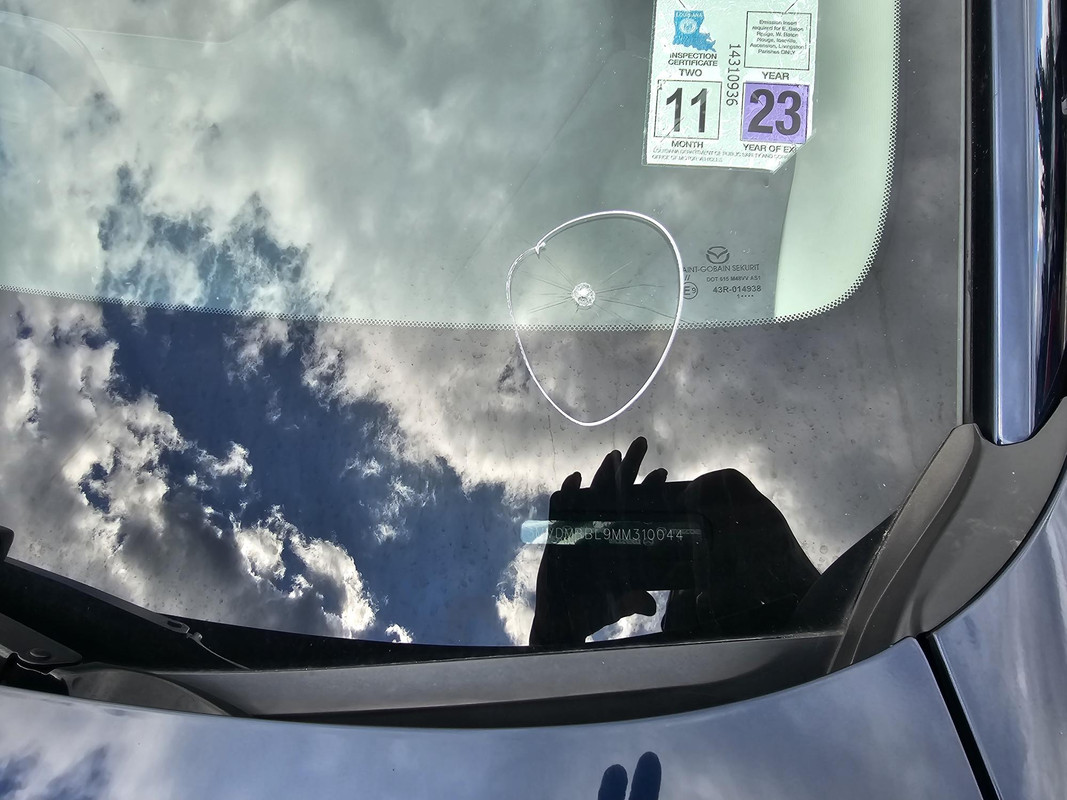
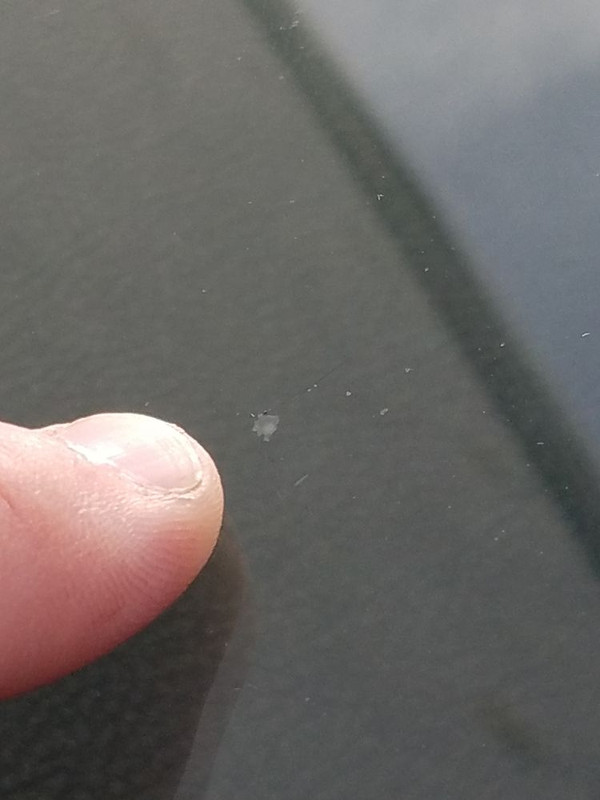
A star break near the windshield edge can be tricky. Chip repair Charleston SC technicians use resin to stabilize and fill the break, and done correctly it restores strength and keeps the damage from spreading. Edge chips close to the frit band sometimes leave micro paths that weep under heavy pressure washing. If you notice a faint trail inside after a car wash but not after rain, talk to your glass shop. They may add a secondary seal at the exterior edge or advise a watch-and-wait approach if the structural repair is sound. Not every occasional droplet demands a new windshield.
Step-by-step: a careful at-home water test
Use this only to locate, not to force water past good seals. Enlist a helper. You’ll need painter’s tape, a hose with a gentle spray, a flashlight, and a few microfiber towels.
- Clean the exterior glass and trim so you can spot fresh water tracks. Tape around the windshield perimeter, leaving a one-inch gap at the top passenger corner. With the car parked slightly nose-up, have your helper run a gentle stream over the roof so water flows across the top edge into your gap for two to three minutes. Sit inside with the flashlight. Watch the A-pillar trim and headliner edge. If dry, move the tape gap to the next section and repeat. If you see moisture, stop. Mark that section and avoid further soaking. Dry the area thoroughly. If the leak is minor, you can attempt a non-hardening flowable seal at that section. If water emerges from behind the headliner or trim in quantity, schedule professional service.
Keep the testing gentle. A hard spray from close range can drive water past good seals and break clips on older trim.
Preventive care that actually works
Prevention beats rework, but not every product on a parts store shelf helps. Waxes and “magic” sealants often leave residue that glass urethane won’t bond to later. Focus on cleanliness and drainage.
Wash the cowl and windshield base every month, more often in leaf season. A soft brush and soapy water remove the grit that chews through rubber trim. Clear cowl drains with your fingers or a plastic pick, not metal. If your car lives under trees, consider a simple mesh screen over the cowl intake to keep leaves out. Replace cabin air filters on schedule; warped covers and missing seals are a quiet leak path.
Inspect door weatherstripping twice a year. Clean with mild soap, then treat lightly with a rubber conditioner designed for automotive seals. Don’t slather on silicone spray; overspray attracts dirt. Check door drains by pouring a cup of water at the exterior window sweep and watching it exit under the door. If it doesn’t, clear the drains.
For vehicles that had prior auto glass replacement Charleston SC work, glance at the trim clips and molding every oil change. If a clip works loose, catch it early. A five-dollar clip can save a soaked carpet.
Choosing the right help in Charleston
The lowest price isn’t the best deal if it buys you a rattle and a drip. Look for shops that:
- Explain their urethane system and safe drive-away times, not just “you’re good in an hour.” Show their prep steps: pinch-weld cleaning, rust treatment, primer application, and bead size. Offer mobile auto glass Charleston SC service with proper weather controls. On-site is fine if they can manage temperature, humidity, and dust, and if they follow the same quality controls as in-shop work. Calibrate ADAS in-house or coordinate it same day. You shouldn’t drive a camera-equipped car uncalibrated longer than necessary. Provide a clear leak warranty in writing.
Mobile is convenient, and plenty of excellent technicians work from fully outfitted vans. Just make sure the environment is appropriate. Trying to set a windshield in a windy parking lot with blowing sand is asking for a contaminated bond. If weather is poor, reschedule or request an in-shop slot.
The overlooked enemy: rust under the bond line
Salt air and moisture make rust a constant threat in Charleston. Once rust creeps under the urethane bead, the bond strength plummets. You may not see the rust until the glass comes out. Telltale signs include a faint brown stain along the top edge of the headliner or persistent wind noise in crosswinds after a seemingly good install. If rust is present, accept that you need extra steps. The area must be cleaned to bare metal, treated, primed, and ideally painted before bonding. That adds time, but it’s non-negotiable. Bonding urethane to active rust invites a repeat leak and a safety risk in a collision.
Safety considerations while you wait
If you discover an active leak during a storm and can’t get service immediately, triage the interior to prevent secondary damage. Pull the floor mats and tilt the carpet up if possible. A small fan and desiccant packs help dry the padding. Disconnect accessories near the leak area if you suspect water reached connectors, especially under-seat modules. Avoid using recirculate on the HVAC until you’re confident the interior is dry; you want fresh air moving through to prevent mildew.
Avoid slapping exterior “roofing” sealant across the glass edge. That kind of hard-setting goop traps moisture, complicates professional removal, and can damage paint. Temporary painter’s tape across the exterior trim in the suspected area buys you time without making the fix harder.
When replacement beats repair
Some scenarios point straight to new glass. A windshield with multiple repairs along the top edge that still weeps, heavy etching on the frit band, cracks within the driver’s sweep, or deep chips near the bond line aren’t good candidates for patching. Modern high-modulus urethane needs a clean, stable bonding surface. Ask your shop about OEM versus aftermarket glass. Good aftermarket pieces meet standards, but optical clarity and frit quality vary. If your vehicle carries a high-sensitivity camera suite, OEM may save calibration headaches. Pair the replacement with proper ADAS calibration Charleston SC technicians can perform, and you’ll leave with a dry, quiet cabin and safety systems back online.
For back windows, defroster grids and antenna elements built into the glass make rear window replacement Charleston SC a clear choice when damage or leaks are present. Attempting to seal around a failing gasket on an old backlight often leaves you chasing ghosts. Similarly, fixed side glass with degraded encapsulated seals rarely responds well to band-aids. Complete side window repair Charleston SC service, including new glass and clips, restores integrity.
Cost ranges and what drives them
Pricing shifts with vehicle make, glass type, and whether calibration is required. A straightforward reseal at a top corner might run in the low hundreds. A full windshield replacement for a common sedan can range from the mid to high hundreds, more if rain sensors, heads-up display coatings, or acoustic interlayers are involved. Add ADAS calibration, and you may see an extra two to four hundred depending on the system. Rear and side glass often land in similar ranges, with hatchbacks and luxury models at the higher end due to specialized trim and encapsulation. Mobile service can add a convenience fee, though many shops include it within city limits.
Insurance can offset much of this. Many policies cover rock chip repair with no deductible. Comprehensive coverage typically applies to glass replacement, subject to your deductible. Ask about separate glass coverage; some carriers offer lower glass deductibles in hurricane-prone regions.
A local anecdote from the field
A customer with a late-model SUV came in after “a windshield leak” drenched the passenger carpet during a storm that blew in off the harbor. The windshield was new, installed two months prior by a mobile crew passing through. The top edge looked pristine. We taped and water-tested quadrant by quadrant, nothing obvious. Then the headliner told the story: a faint water track near the sunglass holder. We pulled the A-pillar trim, and there it was. The sunroof front drain hose had slipped off its fitting when the new windshield’s top moldings were reinstalled with a little too much force. A tiny mistake, big mess. Reconnecting and securing the hose fixed the “windshield leak,” and we used a carpet extractor and fan to dry the padding over two days. No rust, no need to touch the glass. That’s why a careful diagnosis saves money.
Putting it all together
Leaky glass is a nuisance, but it is solvable. Start with observation, not sealant. Rule out cowl backups, door membrane issues, and sunroof drains. If the leak points to the glass bond, decide whether the job fits your comfort level. Small, superficial weepers respond to targeted flowable sealant. Anything structural belongs in the hands of a windshield repair Charleston SC professional who understands both bonding chemistry and the specifics of your vehicle.
If the glass comes out, plan for ADAS calibration if your car carries a camera or radar that relates to the windshield. Take advantage of insurance auto glass Charleston SC policies that help with chip repair and replacement. And once you’re dry, keep drains clear, seals conditioned, and trim in good shape. The aim isn’t just to stop a drip. It’s to restore a quiet cabin, protect electronics, and keep the car safe.
Whether you prefer the convenience of mobile auto glass Charleston SC service at your driveway or the controlled environment of a shop bay, choose a team that treats the cause, not just the symptom. A dry, tight seal and a properly calibrated system will make the next surprise storm feel like just another afternoon in Charleston rather than a test of your patience.